
The common fixes: $150–$600
Elements, thermostats, thermocouples and valves: most cold showers end in this row.
No hot water is a today problem, so we treat it like one. Gas, electric, continuous-flow and heat-pump systems repaired same-day across Abbotsford, and when a system is genuinely done, you get the honest replace-versus-repair numbers, not a sales pitch.
The hot water trade has a thumb on the scale: a replacement invoices ten times a thermostat, and the customer is standing in cold water wanting it over. So "needs a new system" gets said a lot to people whose element died. The actual failure list is mundane and mostly cheap, elements and thermostats on electric tanks, thermocouples and pilots on gas, sensors and flow faults behind a continuous-flow unit’s error code.
Our order of operations in Abbotsford never changes: instruments first. Elements get metered, gas sequences get checked, codes get read. When the verdict is a part, you get the part today. When a cylinder is genuinely finished, weeping seams, hot-side rust, double-digit age meeting a big repair: you get the repair quote and the replacement quote side by side with our reasoning, and the choice stays where it belongs: with you.

Abbotsford runs a mixed stock, 28.7% separate houses and 54.6% flats by the ABS 2021 Census, so there is no standard hot water job here: a freestanding home and a unit in a block need different systems in different positions.
Units mounted outside in a humid, water-adjacent setting corrode at the casing and the fittings well before the cylinder itself gives up. The failure looks sudden and has usually been visible for a year to anyone who looked.
A five-minute look at the top fittings and the base of the casing once a year is the entire maintenance requirement, and it reliably converts an emergency into a planned replacement.
A house here usually means a storage tank with room for a solar or heat pump replacement. A unit in a block usually means an instantaneous system with strata rules and venting limits attached.
A period home has almost never got its original hot water arrangement. What it has is whatever was fitted at the last renovation, connected into pipework of a completely different era, and that junction is frequently where problems start.
Galvanised pipe feeding a modern unit will keep delivering rust and restricting flow regardless of how new the heater is. Replacing the unit without addressing the feed solves less than people expect.
energy.gov.au reports electric storage is used by around 50% of Australian households, cheapest to buy and generally dearest to run, while a heat pump uses roughly 30% of the energy of a conventional electric unit.
In an apartment this is the first question, because it decides who arranges and pays for everything that follows. A unit inside your lot serving only your apartment is yours. A central plant serving the building, or a unit sitting on common property, is the owners corporation's.
Check your strata plan before you authorise work, not after. It is the difference between a bill you owe and one you can hand on.
Properties near the water are more likely to sit unused for stretches, and a hot water system does not enjoy that. Stagnant water accelerates anode consumption, and a unit that has sat for months frequently fails within days of being brought back into use.
Abbotsford sits on a leafy peninsula in Sydney’s Inner West (postcode 2046), wrapped by the Parramatta River and bordering Five Dock, Chiswick, Wareemba and Canada Bay. It’s a suburb of two halves for drains, and we know both well.
If a property is left for a season, isolating and draining the unit is worth the twenty minutes. Bringing it back slowly, with the tank refilled before power or gas is restored, avoids the most common restart failure.
Hot water systems give more notice than they get credit for. Rusty or discoloured hot water, a recovery time that has quietly doubled, a relief valve that has started weeping continuously, banging or rumbling from the tank, or damp around the base.
Any one of those is worth a look. Together they are a unit telling you to choose the replacement date yourself rather than have it chosen on a winter morning.
Running costs, roughly and in order: heat pump cheapest, gas continuous next, electric storage on a controlled-load tariff after that, and electric storage on a standard tariff most expensive by a wide margin.
Purchase price runs almost exactly in reverse, which is why the right answer depends on how long you intend to be in the house. We will do that arithmetic with your figures rather than recommend a category.
Elements, thermostats, thermocouples and valves: most cold showers end in this row.
Gas valves and continuous-flow boards, worth doing on systems young enough to repay it.
Installed like-for-like. Gas storage: $1,200–$2,200 installed.
Installed. Hot water that never runs out, and no cylinder left to rust.
The cheapest to run by a wide margin: deserves a look at every replacement decision.
Repair or replace, you get both numbers side by side and the price is fixed before work starts. Figures here are indicative of the 2026 Sydney market rather than a quote from us, you get your own number as a fixed price before any work starts.

System type, age and symptom over the phone lets us load the probable part before leaving, that is what makes same-day genuinely same-day.
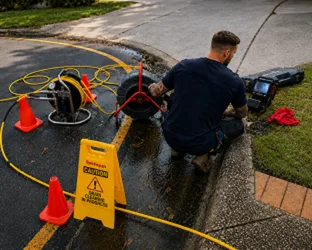
Multimeter on elements, sequence checks on gas, codes read on continuous flow. The diagnosis comes off the meter, never off a sales target.
Repairable means repaired now. End-of-life means the repair and replacement prices side by side, with our reasoning, then your call, unhurried.
Replacements go in with tempering valve, relief drain and compliant connections, old unit gone, and hot water flowing: usually the same day.
Call before mid-morning and tonight’s shower is usually hot. Describe the system; the likely part rides along.
Instruments before invoices, parts before replacements, and a fixed price before either.

Leave your details and our local Abbotsford team will call you back fast.